

“Objectif Clique”
Six young people participating in a job-training program—as part of Apprentis d’Auteuil’s Impact Jeunes Île-de-France initiative—have joined a project focused on artistic…

Artistic and cultural practices are a powerful tool
for education and social cohesion, and a means of fostering intellectual curiosity and empowerment.
Artistic and cultural practices reinforce cognitive development and the acquisition of knowledge, and also contribute to social adaptability, helping to build a personal and collective identity.
They are, therefore, particularly well-suited for people in vulnerable or precarious situations and/or facing academic, social, or family difficulties, regardless of age group — toddlers, children, youth, and their families — because they draw on alternative methods of learning (both practical skills and social skills) and on other forms of experimentation, expression, and language.
They are based on the concrete, the sensitive, the emotional, the aesthetic, or the lived experience , and they help us to feel in our place, to allow ourselves to participate, to be actors, to take ownership.
Artistic and cultural projects supported:
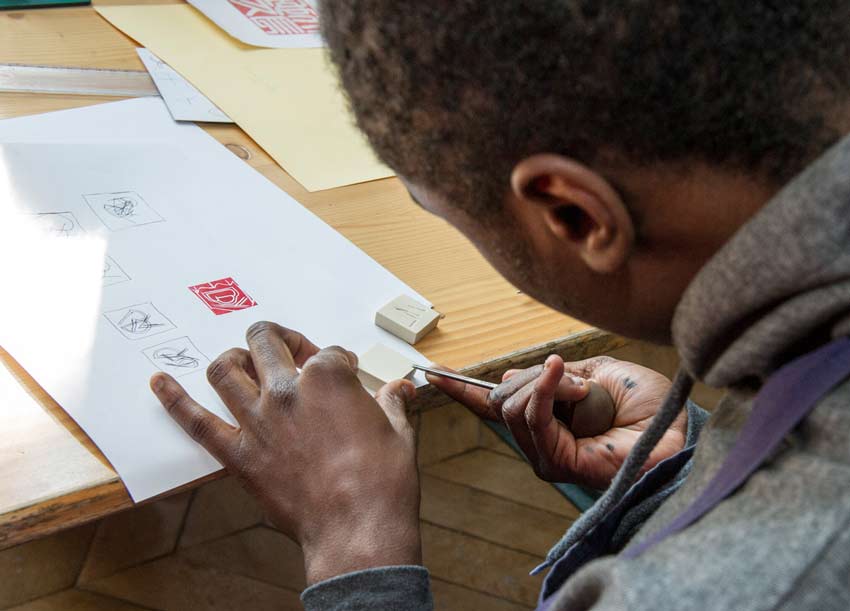
All artistic disciplines are encouraged (singing, theater, writing, poetry, storytelling, music, drawing, painting, photography, video, ceramics, etc.) because they spark participants’ curiosity and desire to learn, stimulate their creativity, develop their ability to observe, describe, and understand, allow them to flourish through positive interactions with themselves and others, and enrich their memory with a variety of specific examples of works that serve as historical landmarks.
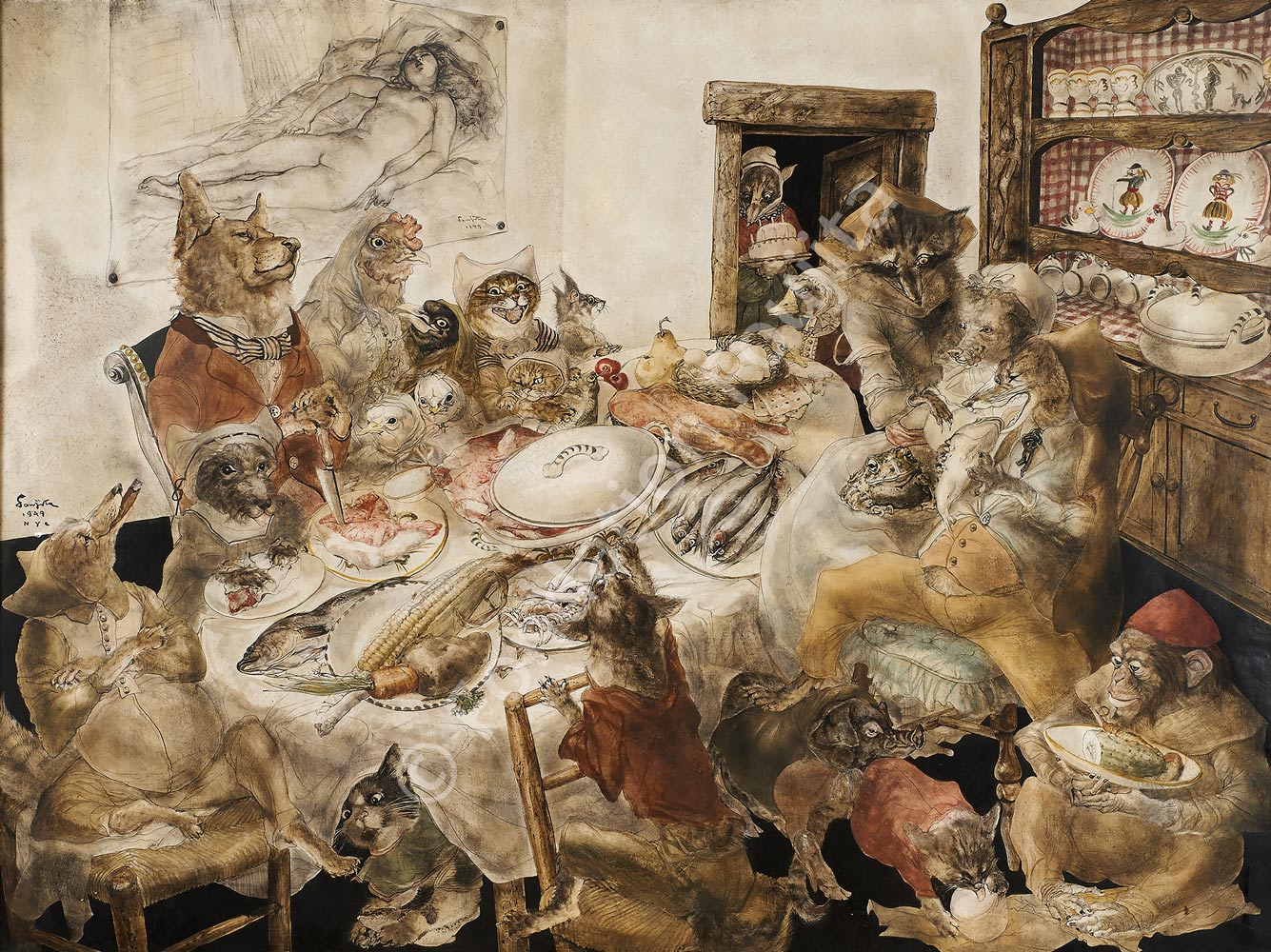
In this context, Foujita, a multifaceted artist (painter, printmaker, illustrator, muralist, but also ceramicist, photographer, set designer, fashion designer…), becomes an accessible and familiar figure for young people and families — a source of inspiration and identification through his journey of migration, which involves constant back-and-forth movements between East and West, between tradition and modernity, between art and craftsmanship, and between the sacred and the popular…
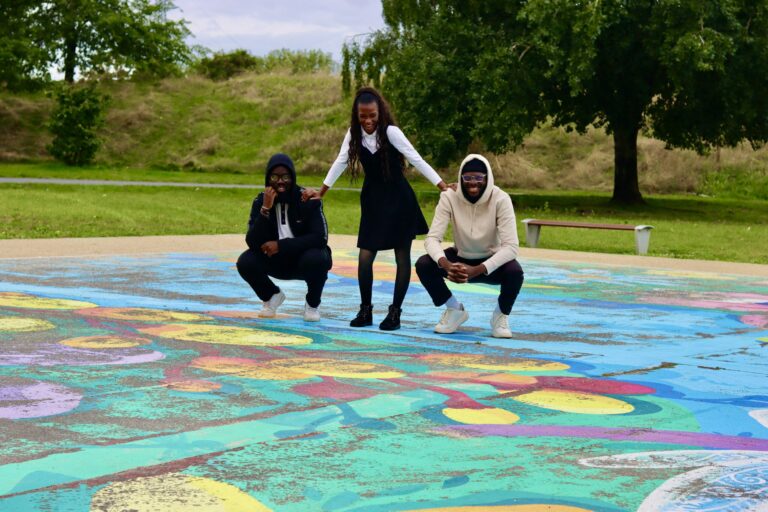
Six young people participating in a job-training program—as part of Apprentis d’Auteuil’s Impact Jeunes Île-de-France initiative—have joined a project focused on artistic…

At the Notre-Dame de Lourdes kindergarten and elementary school, nearly 200 children are taking part in an artistic expression project centered on…
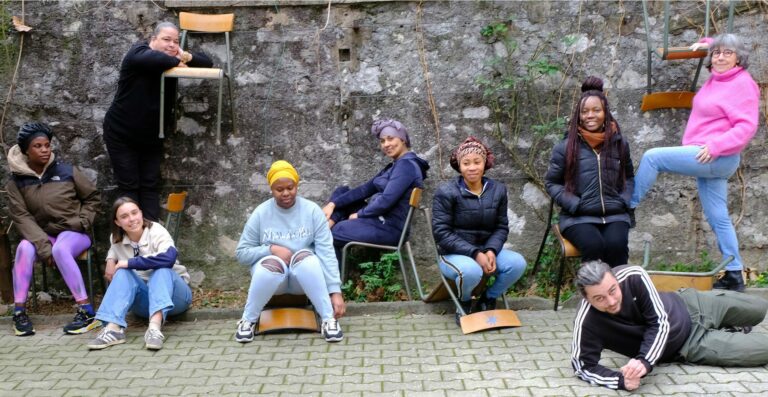
At the families home in Grenoble, about 40 parents in the program are taking part in an artistic expression project that combines…
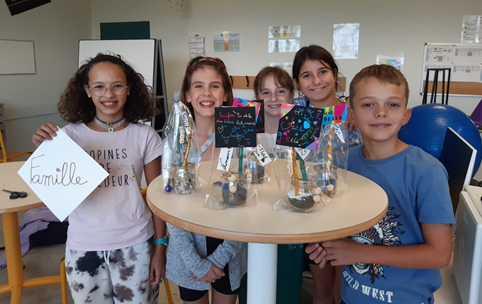
At Sainte-Claire secondary school in Dieupentale, 74 students in grades 6 through 9 took part in a project that immerses them in…
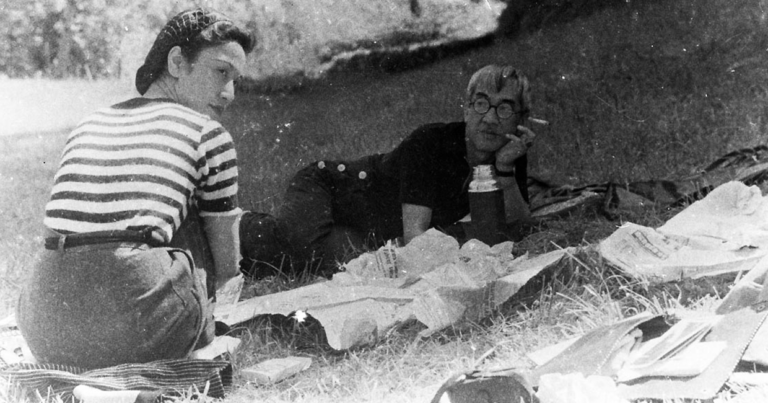
Kimiyo met Foujita in 1935, at the age of 25. They lived together for over 30 years, until the artist’s death in…
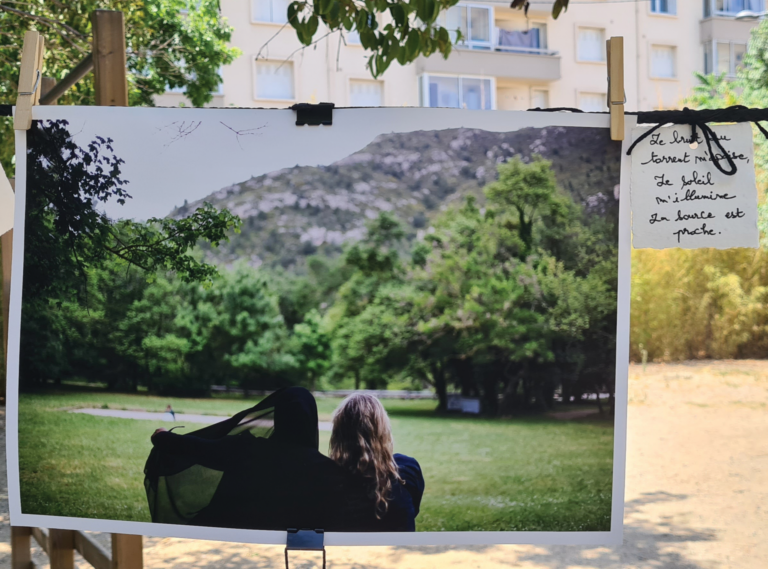
At the “Halte des parents d’Apprentis d’Auteuil” in Marseille, 20 mothers set off on a poetic and heartfelt journey!
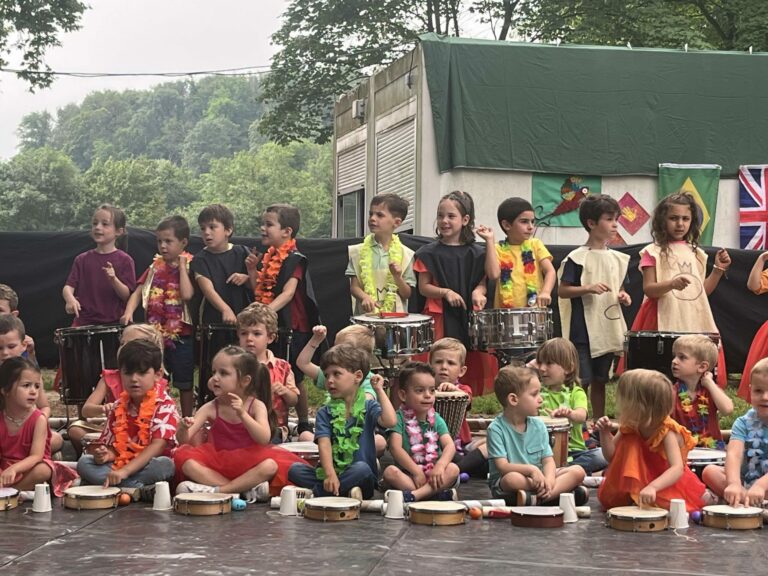
At Notre-Dame de Lourdes school in Civrieux-d’Azergues, 197 pupils from pre-school to 5th grade took part in a major musical project!
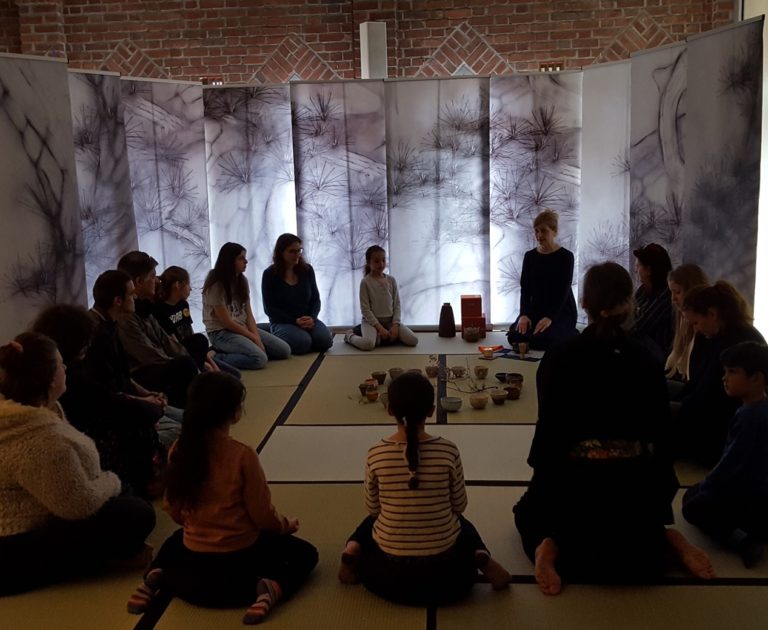
Around sixty young people and parents from the South of France took part in an artistic and cultural project centered on the…
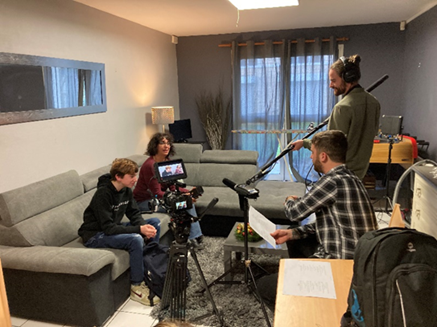
15 young people from the Jean Bosco children’s social care home in Le Havre took part in workshops to create short films…
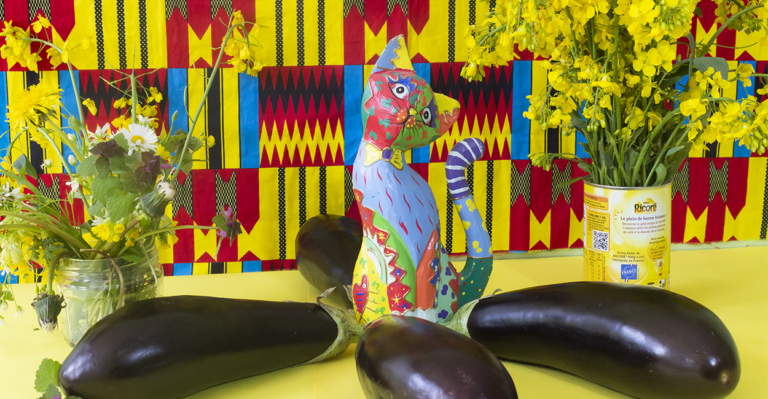
This intercultural and intergenerational art project was devised by teams from the Marcel Callo educational center of Apprentis d’Auteuil in Oise (Hauts-de-France…
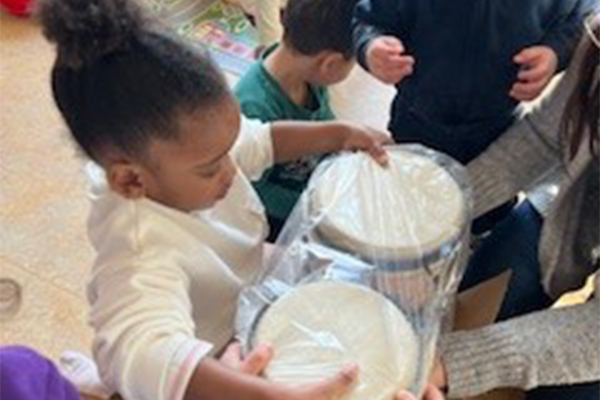
Les petites pousses du lac daycare center in Bordeaux (Nouvelle-Aquitaine region) has launched the “World music in daycare” project…
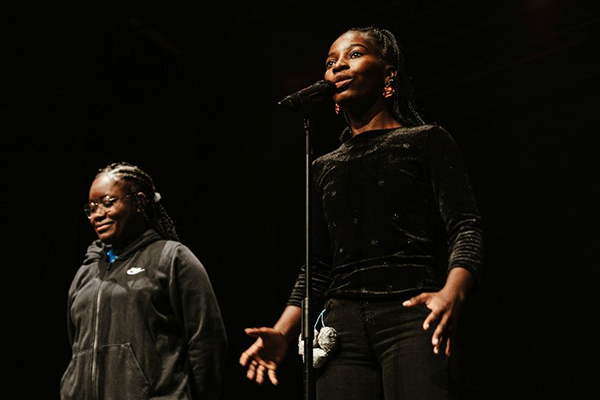
Launched in 2023, the artistic and cultural families homes festival is an event imagined by 150 families…

Discover the life and work of Foujita through a variety of games…
From April 8 to 18, 2019, around thirty families took part in an artistic and cultural project…
To mark the 130th anniversary of Foujita’s birth in 2016, 14 young people wrote and recorded a song to pay tribute to…
“La Passerelle pour la Seconde” gives certain students a “transition” year between junior high and high school, offering an alternative to repeating…
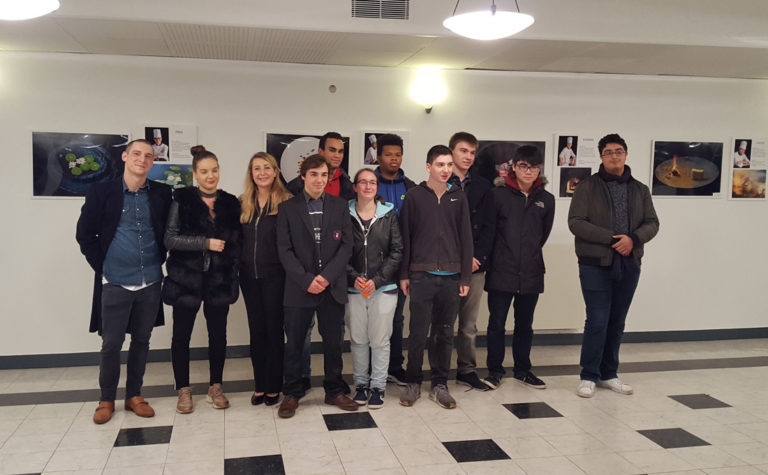
The project began with a collective observation during a practical work session at the the Sainte-Thérèse hotel management school of Apprentis d’Auteuil…
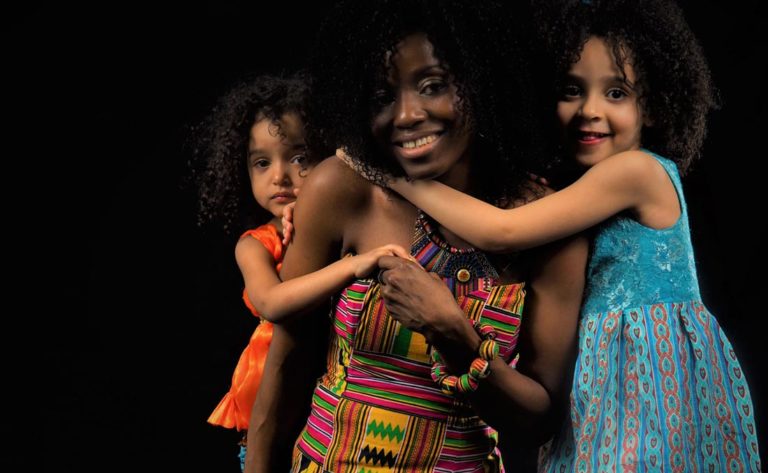
Located in Chartres, the social residence Le Bercail offers personalized support to mothers in difficulty with their children…
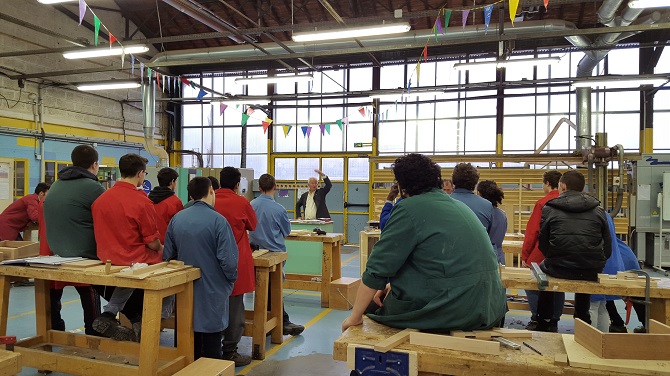
The project was born of a desire to articulate the technological and artistic know-how of two crafts…